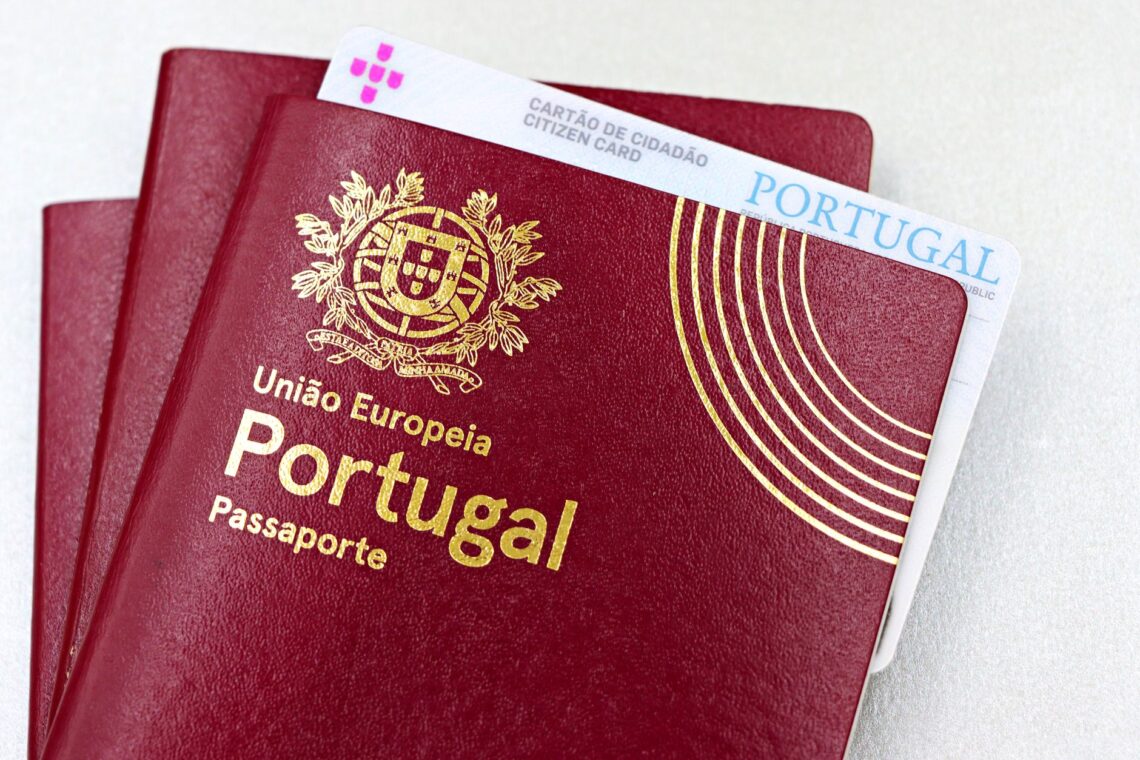
If you have a GRE passport issue on test day, the result can be serious. If your passport is missing, expired, damaged, or does not match the name in your GRE registration, the test center or remote proctor may refuse to admit you to the exam. Because identification rules are strict, you should review ETS requirements well before test day and verify the current policy on the official ETS website for your country and test format.
Quick Answer
For many GRE test takers, especially international candidates, a valid passport is one of the most important identification documents on test day. If there is a passport problem, such as an expired passport, a name mismatch, or a lost document, you may not be allowed to test. The safest approach is to check the exact ID rules that apply to your testing location and format, confirm that your registration name matches your passport exactly, and contact ETS as early as possible if you notice a problem.
Why This Matters
Identification problems are not minor administrative issues. They can affect whether you are allowed to sit for the GRE at all. If a testing center cannot verify your identity, or if a remote proctor determines that your ID does not meet policy requirements, your appointment may be canceled or denied.
This matters because a missed GRE appointment can create several problems:
- Application delays if you need scores for graduate school deadlines.
- Scheduling problems if future seats are limited in your area.
- Extra stress at a point when you should be focused on the exam itself.
- Possible financial loss depending on the circumstances and ETS policies in effect at that time.
Passport issues are especially important for international applicants, but U.S. citizens and other domestic test takers should also be careful. The exact acceptable ID can vary by country, testing format, and local policy. That is why it is important to treat ID verification as part of your GRE preparation, not as a last-minute detail.
Main Explanation
What counts as a passport issue for the GRE?
A passport issue on GRE test day can include several different situations. Some are obvious, and some are easy to overlook until the last minute.
- Your passport is expired.
- Your passport is missing or lost.
- Your passport is damaged and key details, the photo, or the machine-readable area cannot be clearly verified.
- The name on your passport does not match your GRE registration.
- Your passport number or personal details appear inconsistent with other documents if additional verification is required.
- You brought the wrong type of ID because you assumed another document would be accepted.
- Your passport is under renewal and you do not have the original valid document available on test day.
Any of these issues can interrupt your test day. The GRE is a high-security exam, so identity verification rules are not flexible in the way they might be for a classroom test or campus event.
Why ETS and test providers are strict about ID
The GRE is used by graduate schools as part of admissions decisions. ETS uses identification rules to help protect score validity and test security. Test centers and at-home proctors must be able to confirm that the person taking the test is the same person who registered.
In practical terms, this means your ID usually needs to meet several basic standards:
- It must be valid, not expired, unless ETS specifically states otherwise.
- It must be an acceptable form of identification for your testing location.
- It must contain your full name.
- It must include a recognizable photograph.
- It may need a signature, depending on the policy that applies.
- The name on the ID must match the name in your registration record.
Because local requirements can differ, you should not assume that a driver’s license, residence card, national ID card, or photocopy will be accepted in place of a passport. Always verify the current policy directly with ETS.
Passport issues at a test center vs GRE at Home
The consequences can be similar in either format, but the way the issue is discovered may differ.
At a test center, staff check your identification before you are admitted. If your passport is invalid or does not match your registration, you may be turned away before the exam begins.
For the GRE at Home, the remote proctor checks your ID during the check-in process. If the proctor cannot verify the document or determines that it does not meet policy, your exam session may not proceed.
In either setting, the key principle is the same. If your identification is not acceptable under ETS rules, you may not be able to test that day.
Requirements, Rules, and Eligibility
Identification requirements
ETS is the official source for GRE identification policies. While details can change, test takers should generally expect the following:
- Your ID must usually be an original physical document, not a photocopy.
- It must usually be government-issued.
- It must be current and valid.
- It must include your name, photograph, and other required identifying details.
- The name on the ID must exactly or very closely match the name used to register.
For many international test takers, the passport is the primary acceptable ID. In some cases, ETS may permit other identification for specific locations or categories of test takers, but you should never rely on assumptions or advice from unofficial forums.
Name matching rules
One of the most common passport-related problems is a registration name mismatch. Your GRE account and appointment record should reflect your legal name as it appears on your identification document.
Potential mismatch problems include:
- Using a nickname instead of a legal first name.
- Leaving out a family name or surname.
- Reversing the order of names.
- Misspelling part of the name.
- Registering under a maiden name when the passport shows a married name, or the reverse.
- Ignoring hyphens, spaces, or multiple surnames when those details matter for identification.
If your passport uses a naming format common in your country that differs from U.S. naming conventions, pay special attention when creating your ETS account. If you are unsure how to enter your name, review ETS guidance and contact ETS before test day.
Registration requirements related to ID
When you register for the GRE, you are responsible for entering your personal information accurately. That includes your legal name. Even if the registration system accepts the entry, that does not guarantee the name will satisfy test-day ID verification.
Before your appointment, review:
- The exact name in your ETS account.
- The exact name on your appointment confirmation.
- The exact name on your passport or other approved ID.
If there is a discrepancy, do not wait until the night before the exam. Contact ETS as early as possible to ask whether the record can be corrected and what documentation may be required.
Documentation requirements
If there is a name change due to marriage, divorce, or another legal reason, some test takers assume they can bring supporting documents and explain the situation at check-in. That may not solve the issue if the primary ID requirement has not been met.
Supporting documents can sometimes help clarify a legal name change in certain contexts, but they do not automatically replace the need for acceptable primary identification. Because policies can vary, you should confirm with ETS in advance rather than assuming extra paperwork will be enough.
Testing requirements for at-home test takers
If you are taking the GRE at home, identification still matters just as much as it does at a test center. In addition to meeting the ID rules, you must also complete the technical and security check-in process.
Common issues include:
- The proctor cannot clearly read your passport on camera.
- The passport photo is difficult to verify because of damage, glare, or poor video quality.
- The name on your registration differs from the name on the passport.
- The ID shown does not meet the location-specific policy.
This means your preparation should include both ID readiness and technical readiness. For at-home testing, plan your lighting, webcam angle, internet connection, and workspace setup so the proctor can inspect your document clearly.
Eligibility considerations for international applicants
International applicants are often the most affected by passport issues because the passport may be the only widely accepted document for GRE identification in their region. If you are studying abroad, living in a different country, or traveling to take the exam, be especially careful.
- Check the ID policy for the country where you will test, not just your citizenship status.
- Make sure your passport will still be valid on the exam date.
- If you are renewing your passport, avoid scheduling the GRE during a period when the document may be unavailable.
- If you recently changed your legal name, confirm that your registration and travel documents are aligned.
Step-by-Step Process
What to do before test day if you notice a passport problem
- Review the ETS ID policy. Go to the official ETS GRE identification page and look for the rules that apply to your country and test format.
- Compare your registration and your passport. Check spelling, order of names, middle names, surnames, hyphens, and suffixes.
- Check validity. Confirm that the passport is not expired and is physically in your possession.
- Inspect the passport condition. Make sure the photo, name, and passport details are readable and the document is not badly damaged.
- Contact ETS immediately if there is a mismatch or concern. Ask what options are available and whether changes can be made before test day.
- Document your communication. Save emails, case numbers, and any written instructions from ETS.
- If necessary, reschedule rather than risk denial. If your ID will not be acceptable by the appointment date, a schedule change may be safer than showing up unprepared.
What to do on test day at a test center
- Bring the exact required ID. Do not assume a backup document will be accepted.
- Arrive early. If there is a question about your ID, extra time may help you understand your options, even if it does not resolve the issue.
- Present the document calmly and clearly. Make sure the passport is easy to inspect.
- If staff raise a concern, ask for clarification. Understand whether the issue is expiration, mismatch, document type, or damage.
- Follow the center’s instructions. Testing staff must enforce ETS policy and may have limited discretion.
- Contact ETS afterward if you are denied admission. Ask about the next steps and whether any appeal or rescheduling process applies under current policy.
What to do on test day for GRE at Home
- Set up your testing space early. Do not wait until the scheduled start time.
- Keep your passport ready. Have it physically available at check-in.
- Improve visibility. Use good lighting and position the webcam so the proctor can see the passport clearly.
- Show the ID as instructed. Follow the proctor’s directions on camera angle and document placement.
- If the ID is rejected, ask for the specific reason. This can help you determine whether the issue was document type, validity, readability, or name mismatch.
- Record details after the session ends. Note the time, the nature of the problem, and any case or session reference information.
- Contact ETS promptly. Explain the issue and ask about current options.
Common Problems and Solutions
Problem: Your passport is expired
Why it is a problem: An expired passport is often not considered valid identification for a secure exam.
What to do:
- Check whether your location has any alternative acceptable ID options under ETS policy.
- If not, renew your passport and reschedule if necessary.
- Do not assume an expired passport will be accepted just because it still proves your identity generally.
Problem: Your registration name does not match your passport
Why it is a problem: Even small differences can trigger denial if the testing staff or proctor cannot confirm that the registered person and the ID holder are the same person.
What to do:
- Contact ETS before test day.
- Ask whether your name can be corrected and what documentation is needed.
- Check the updated appointment details after any change is made.
Problem: Your passport is being renewed and you do not have it
Why it is a problem: You may not have the original acceptable ID on the exam date.
What to do:
- Do not wait and hope the document will arrive in time.
- Review ETS policy for alternative ID, if any.
- If no acceptable ID will be available, consider rescheduling early.
Problem: Your passport is damaged
Why it is a problem: A torn page, water damage, unclear photo, or unreadable information may make the document unacceptable.
What to do:
- If the damage is significant, assume there may be a risk.
- Contact ETS before test day and describe the issue.
- Replace the document if necessary and practical.
Problem: You forgot your passport on test day
Why it is a problem: Without acceptable ID, the test center or proctor cannot complete the identity verification process.
What to do:
- If you are at a test center and live nearby, ask whether there is enough time to retrieve it. Do not assume late arrival will still allow admission.
- If you are testing at home, you may need to retrieve it immediately if possible during check-in, but follow the proctor’s instructions.
- If you cannot present the ID, you may not be able to test.
Problem: You brought a different government ID instead of a passport
Why it is a problem: Some test takers assume any official ID will work, but ETS may require a specific type of document depending on location.
What to do:
- Check the official ETS ID rules for your region.
- Do not rely on advice from friends who tested under different conditions or in a different country.
- Bring the passport if that is the required or safest form of identification for your testing situation.
Practical Examples and Scenarios
Scenario 1: Nickname in registration
A student named Jonathan Lee Park registers as John Park because that is the name he uses daily. On test day, his passport shows Jonathan Lee Park. Even though the names seem related, the mismatch may create a problem because the registered name does not match the legal ID. The safest solution would have been to correct the registration before test day.
Scenario 2: Passport expired one week before the exam
An international applicant checks her passport the night before the GRE and realizes it expired the previous week. If ETS policy for her location requires a valid passport, the test center may deny admission. This is why checking passport validity several weeks in advance is important.
Scenario 3: Married name vs maiden name
A test taker registers under a married name because that is the name used in graduate school applications, but the passport still shows the maiden name. Even if the person has legal documents explaining the change, the mismatch can still cause trouble if the primary ID does not align with the registration. The correct step would be to verify with ETS how the name should appear in the account and what documentation, if any, is recognized.
Scenario 4: GRE at Home and unreadable passport image
A candidate taking the GRE at Home has a valid passport, but the room lighting is poor and the webcam is low quality. The proctor cannot read the passport details clearly. In this case, the issue is not the passport itself but the ability to verify it remotely. Better lighting and early setup could prevent this problem.
Scenario 5: Studying abroad
A student from India is studying in Germany and takes the GRE there. He assumes his local student card and residence permit will be enough because they are commonly used for daily identification. However, ETS may still require a passport or another specific approved ID for that testing location. The key lesson is to check the policy for the country of testing, not just everyday local practice.
Comparison Table
| Situation | Risk Level | Why It Is a Problem | Best Next Step |
|---|---|---|---|
| Passport expired | High | ID may not be considered valid | Verify ETS policy and reschedule if no acceptable alternative exists |
| Name mismatch between passport and registration | High | Identity cannot be cleanly verified | Contact ETS immediately to request correction guidance |
| Passport lost before exam | High | No primary ID available | Check for alternative accepted ID and consider rescheduling |
| Passport damaged | Medium to high | Photo or details may be unreadable | Ask ETS whether the document remains acceptable |
| Using a different government ID without checking policy | Medium to high | Document may not be accepted for your location | Verify official ETS identification rules before test day |
| Valid passport but poor camera visibility for GRE at Home | Medium | Proctor cannot verify ID remotely | Improve lighting, camera angle, and image clarity before check-in |
How to Avoid a GRE Passport Issue Test Day
Use this pre-test ID checklist
- My registration name matches my passport exactly.
- My passport is valid on the date of the GRE.
- My passport is not torn, heavily damaged, or unreadable.
- I know whether my testing country requires a passport or allows other ID.
- I have checked the official ETS identification page recently.
- If I am taking the GRE at Home, I have tested my camera and lighting.
- I know where my passport is and will pack it the day before the exam.
Best timing for checking your ID
A good rule is to check your identification at three points:
- Before registration, so you enter your legal name correctly.
- Several weeks before the exam, so you can fix issues like expiration or name corrections.
- The day before the exam, so you do not forget the document or discover a last-minute problem.
Frequently Asked Questions
Can I take the GRE if my passport expired recently?
Possibly not. Many secure testing policies require a valid, current ID. Because exact rules can vary by location and format, you should check the current ETS identification policy for your situation.
What if the name on my GRE registration has a small typo?
Even a small typo can create a problem if it affects identity verification. Contact ETS as soon as possible and ask whether your registration record can be corrected before test day.
Can I use a driver’s license instead of a passport?
Sometimes alternative ID may be accepted, but this depends on ETS rules for your testing location and format. Do not assume a driver’s license will be enough. Verify the official ETS policy directly.
Will the test center accept a photocopy or digital image of my passport?
In most secure testing situations, a photocopy or digital image is not treated the same as an original acceptable ID. Bring the original document unless ETS explicitly states otherwise.
What if I changed my name after registering for the GRE?
Contact ETS immediately. Explain the name change and ask what documentation or account updates are required. Do not assume you can simply explain the difference on test day.
Can I still test if my passport is damaged but readable?
Maybe, but there is risk. If the photo, name, signature area, or key details are difficult to verify, the document may be rejected. It is best to check with ETS in advance.
Do GRE at Home test takers also need a passport?
They still need acceptable identification, and for many international candidates that may be a passport. The exact requirement depends on ETS policy for the candidate’s location and testing circumstances.
What should I do if I realize my passport issue on the morning of the test?
First, verify whether you have any other acceptable ID under ETS policy. If you are unsure, contact ETS and follow instructions from the test center or proctor. Understand that last-minute fixes are limited.
If I am denied entry because of a passport issue, will I get a refund?
That depends on ETS policies in effect and the specific circumstances. Because policies can change, check the official ETS terms and contact ETS directly for case-specific guidance.
Should I bring extra documents such as a marriage certificate or student ID?
Extra documents may sometimes help explain a situation, but they do not automatically replace the required primary identification. Your main goal should be to bring the exact ID ETS requires.
Important Notes
- Policies can change. Always verify the current GRE identification rules on the official ETS website.
- Requirements may vary by country. International applicants should check the policy for the country where they will test.
- Test-center and at-home procedures are not identical. Both require valid identification, but the check-in process differs.
- Name accuracy matters. Register using your legal name as shown on your approved identification document.
- Do not rely on unofficial advice. Online forums and social media may contain outdated or country-specific information that does not apply to your case.
- When in doubt, contact ETS early. Early action gives you the best chance of correcting a problem before test day.
Final Thoughts
A GRE passport issue on test day can prevent you from taking the exam, even if you are academically prepared. The most important steps are simple. Check the official ETS identification policy, make sure your registration name matches your passport exactly, confirm that your passport is valid and undamaged, and resolve any concerns well before your appointment.
If you are still planning your exam logistics, it may also help to review related resources on GRE Basics, GRE Prep, and GRE Resources. For application planning, score use, and deadlines, see Universities & Admissions. Most importantly, verify every identification detail with ETS directly before test day.